%2Ffit-in%2F250x250%2Fguide_websites%2F39110%2Fimages%2F1768347744535scalehouse.jpg&w=1920&q=100)
/users/d0c5ca94-5381-4939-9909-9de9521e7f83/ratecard/successful-fishing-trip-florida-30852.jpg)
%2F300x300%2Fusers%2Fd0c5ca94-5381-4939-9909-9de9521e7f83%2Fratecard%2Fsuccessful-fishing-trip-florida-30852.jpg&w=256&q=75)
%2F300x300%2Fusers%2Fd0c5ca94-5381-4939-9909-9de9521e7f83%2Fimages%2Fdouble-mahi-mahi-key-biscayne-2866.jpg&w=256&q=75)
%2F300x300%2Fusers%2Fd0c5ca94-5381-4939-9909-9de9521e7f83%2Fimages%2Fkey-biscayne-tuna-fishing-catch-2724.jpg&w=256&q=75)
%2F300x300%2Fusers%2Fd0c5ca94-5381-4939-9909-9de9521e7f83%2Fimages%2Fkey-biscayne-king-mackerel-catch-2669.jpg&w=256&q=75)
%2F300x300%2Fusers%2Fd0c5ca94-5381-4939-9909-9de9521e7f83%2Fimages%2Fkey-biscayne-yellowfin-tuna-catch-2697.jpg&w=256&q=75)
%2F300x300%2Fusers%2Fd0c5ca94-5381-4939-9909-9de9521e7f83%2Fimages%2Fcruising-casting-key-biscayne-3057.jpg&w=256&q=75)
%2F300x300%2Fusers%2Fd0c5ca94-5381-4939-9909-9de9521e7f83%2Fimages%2Flittle-tunny-caught-key-biscayne-3205.jpg&w=256&q=75)
%2F300x300%2Fusers%2Fd0c5ca94-5381-4939-9909-9de9521e7f83%2Fimages%2Ffishing-cruises-florida-3156.jpg&w=256&q=75)
%2F300x300%2Fusers%2Fd0c5ca94-5381-4939-9909-9de9521e7f83%2Fimages%2Ffishing-cruises-key-biscayne-3078.jpg&w=256&q=75)
%2F300x300%2Fusers%2Fd0c5ca94-5381-4939-9909-9de9521e7f83%2Fimages%2Ffishing-cruise-florida-3152.jpg&w=256&q=75)
%2F300x300%2Fusers%2Fd0c5ca94-5381-4939-9909-9de9521e7f83%2Fimages%2Fkey-biscayne-fishing-cruise-3323.jpg&w=256&q=75)
Top-Rated Miami Offshore Adventure | Scale House
 Miami, FL
What you will be catching:
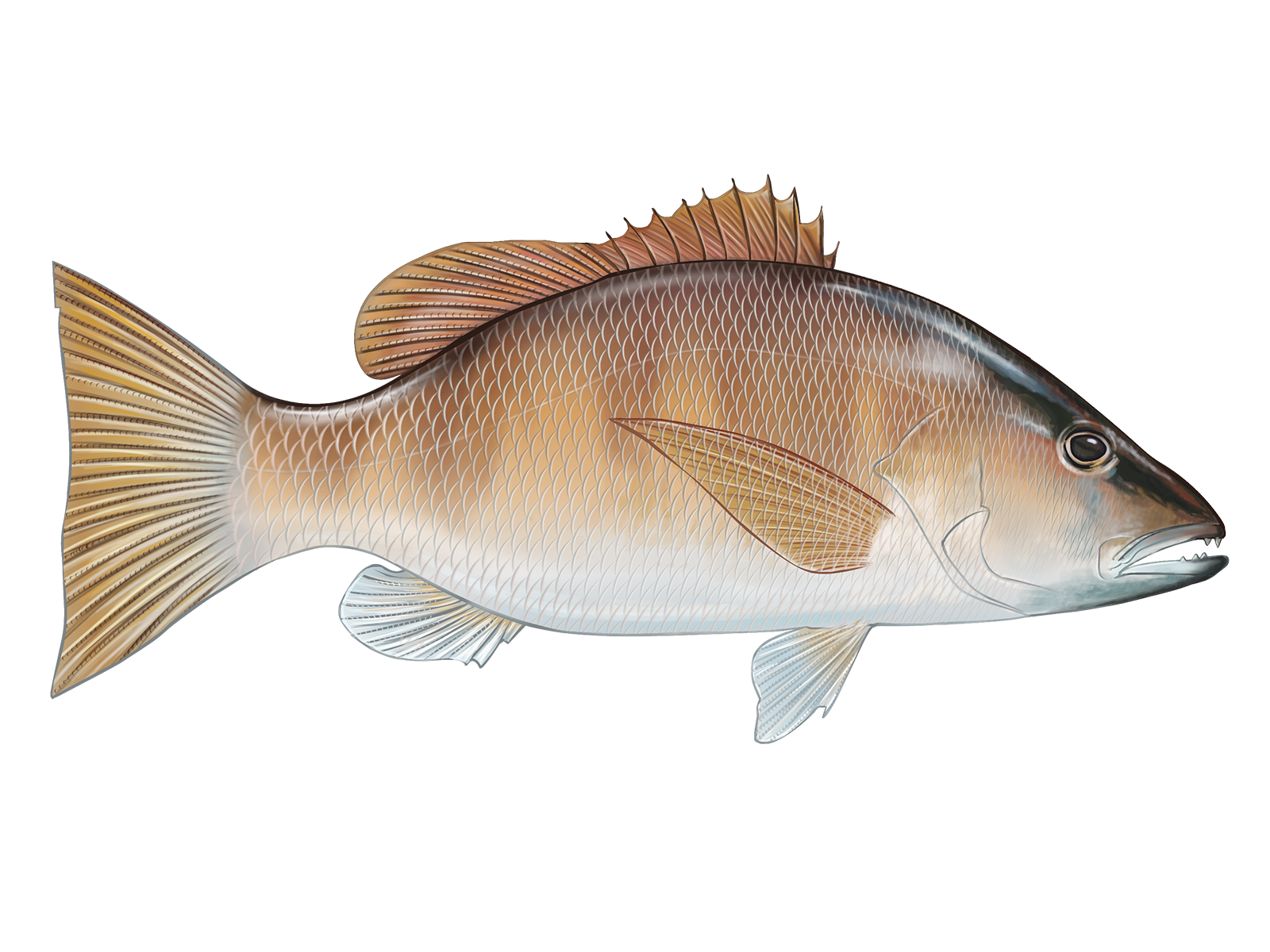 Grey Snapper
 King Mackerel
 Mahi Mahi or Common Dolphinfish
 Wahoo Fish
- Start your day at 7 AM and spend 8 full hours on Miami's offshore waters with Scale House Charters. This trip takes you to the best fishing spots where both beginners and experienced anglers can work toward their limit. The crew knows these waters inside and out, so you'll get hands-on tips and guidance throughout the day. With just 4 guests max, there's plenty of room to fish comfortably and enjoy the ocean breeze. You'll be targeting whatever's running that day in Miami's productive offshore waters. The early start means you'll have the whole day to fish different spots and techniques while soaking up those classic South Florida views.
Trip Pricing and Availabilities:
Ultimate Miami Fishing Experience (8 Hours)
Ready to see what Miami's offshore waters are really made of? This isn't your typical sunset cruise—it's a proper 8-hour fishing adventure that starts at 7 AM sharp and keeps you busy until mid-afternoon. We're talking about hitting some of the most productive waters off the Magic City, where the Gulf Stream brings in serious fish and the action can go from zero to hero in minutes. Whether you've been fishing your whole life or you're still figuring out which end of the rod to hold, this trip delivers the kind of day that makes for great stories back home. Just you, up to 3 friends, and miles of blue water packed with hungry fish.
What to Expect on the Water
When we say early start, we mean it—7 AM departure gives us the full day to work the best spots while conditions are prime. Miami's offshore scene is all about timing, and morning hours often produce the hottest action before the afternoon winds pick up. You'll be fishing from a well-equipped charter boat with all the gear you need, plus a captain who knows these waters like the back of their hand. The vibe stays relaxed but focused—no pressure to be an expert, just good coaching when you need it and space to figure things out when you don't. Plan on being out there for the full 8 hours, covering serious ground and hitting multiple spots depending on what's biting. The boat handles 4 people comfortably, so there's plenty of room to spread out and everyone gets their shots at the action.
Trolling Lines and Hot Spots
Most of your day will be spent trolling—running multiple lines behind the boat at different depths and speeds to cover water and find active fish. It's one of the most effective ways to target the bigger pelagic species that cruise Miami's offshore waters. Your captain will set up a spread of lures and baits designed to attract everything from kingfish to mahi, adjusting the setup based on conditions and what's been producing lately. We'll hit structure like wrecks and reefs when the bite calls for it, switching to bottom fishing or live bait techniques to target snapper and other reef species. The Gulf Stream's edge is always in play—that temperature break where warm blue water meets cooler green water often holds the best concentrations of baitfish and the predators that follow them. GPS technology helps us return to productive spots, but reading the water and watching for birds, debris lines, and color changes is still part of the game.
Species You'll Want to Hook
Grey snapper are the bread and butter of Miami's offshore scene, especially around structure. These fish average 3-8 pounds but can push into double digits, and they're available year-round with peak action during warmer months. They're smart fish that require finesse—light leaders, natural baits, and patience. What makes them exciting is the fight relative to their size and the fact that they're excellent table fare. You'll find them around wrecks, reefs, and ledges in 60-150 feet of water.
King mackerel are the speed demons of the offshore world, hitting trolled baits with explosive strikes that'll wake you up fast. Spring through fall brings the best king fishing, with fish ranging from 10-40 pounds common in Miami waters. They're built for speed with razor-sharp teeth, making wire leaders essential. The fun factor comes from their initial runs—pure adrenaline as they peel line off the reel. Plus, they're fantastic on the grill when prepared fresh.
Mahi mahi represent everything great about offshore fishing in Miami. These fish are absolute stunners with their bright gold and green colors, and they fight with incredible energy—jumping, diving, and making long runs. Best action happens during warmer months when they follow floating debris and weed lines. Fish typically range 10-30 pounds, though bull dolphins can exceed 40. They're curious fish that often travel in schools, so catching one frequently leads to more. Their white, flaky meat is considered among the best eating fish in the ocean.
Wahoo are the ultimate prize for many offshore anglers—built like torpedoes and capable of speeds exceeding 60 mph. These fish hit trolled lures with incredible force, often jumping completely clear of the water. They're more common during cooler months and typically range 20-60 pounds in Miami waters. What makes wahoo special is their unpredictability—you might go months without seeing one, then have a day where you boat three. Their meat is excellent, similar to mahi but with a slightly firmer texture.
Time to Book Your Spot
This 8-hour offshore adventure gives you the real Miami fishing experience—early start, full day on the water, and shots at some of the best fish swimming in these waters. With space for 4 anglers, it's perfect for small groups who want personalized attention and maximum fishing time. The combination of trolling techniques, diverse species, and experienced guidance creates the kind of day that reminds you why offshore fishing is so addictive. Miami's waters are world-class for a reason, and this trip puts you right in the middle of the action. Don't wait around—the fish are out there, the boat's ready, and your next great fishing story is just a booking away.